How to organize an international school trip: a step-by-step guide for coordinators
From the learning goal and school approval to documents and parent communication: the steps a trip coordinator needs, in order.
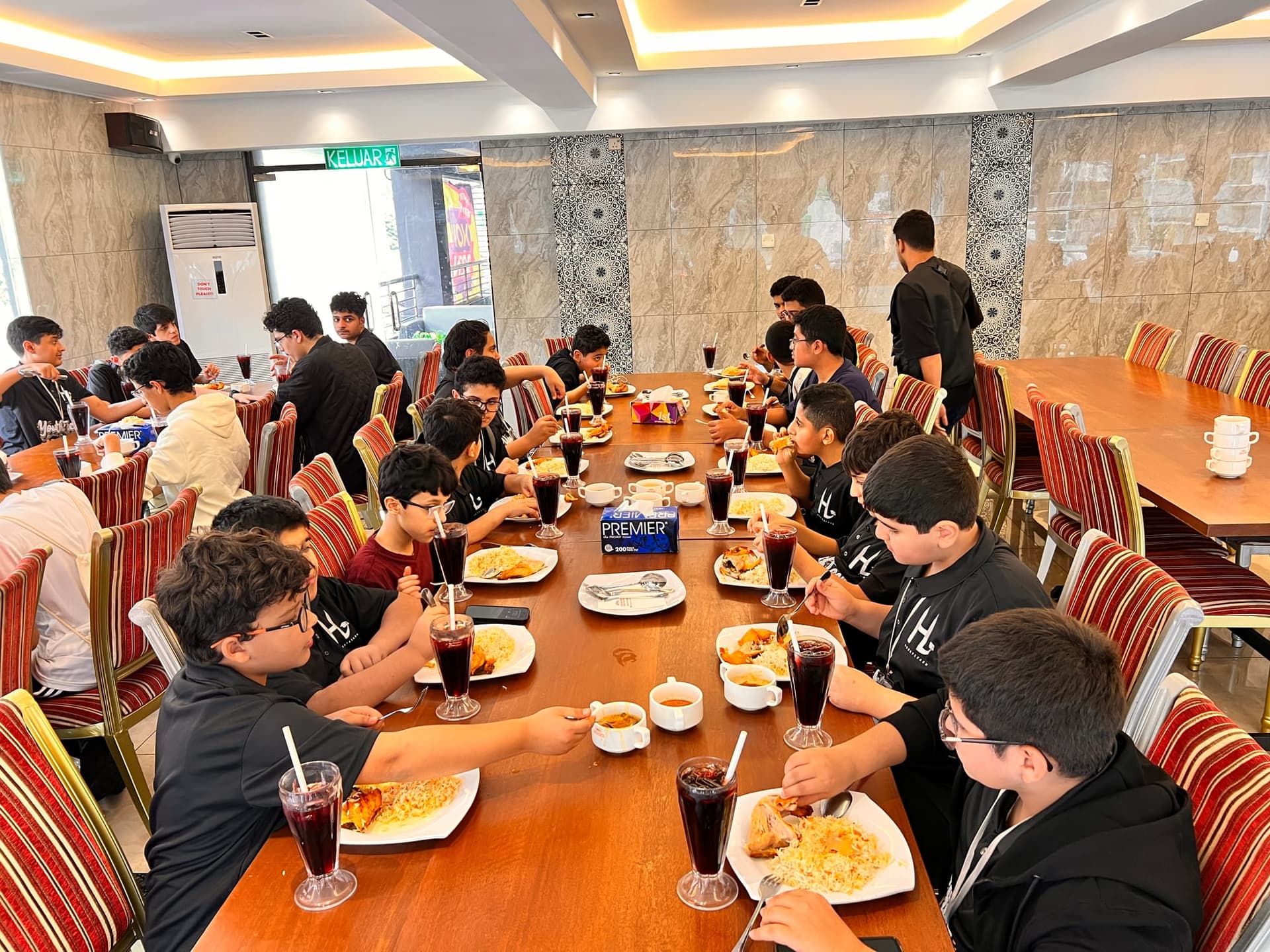
Organizing a school trip abroad is a big task, but it becomes manageable when you break it into clear steps. This guide is for trip coordinators, activity leaders and deputy principals planning their first trip, or wanting the next one to run more smoothly.
First: define the learning goal
Ask: what do we want students to learn from this trip? It might be science and technology skills, understanding the culture and history of a new place, leadership and teamwork, or a first look at university life. A clear goal makes every later decision easier and helps convince school management and parents of the trip's value.
Step 1: get initial approval from school management
Give management a short outline: the goal, the age group, the approximate number of students, the proposed period and a first cost estimate. Check your school's procedures and those of the education authority it follows before making any commitment.
Step 2: choose the right timing
Check the school calendar, holidays and exam periods, and consider the season at the destination: some nature and marine activities depend on the time of year. It is best to start planning several months ahead, to leave time for approvals, bookings and documents.
Step 3: decide the group size and supervisors
Settle the approximate number and ages of students, the number of accompanying teachers and supervisors, and how students will share rooms. Agree these details with the organizer in advance; don't leave them until after booking.
Step 4: ask for a detailed proposal, and read what it includes and excludes
Ask for a day-by-day program and a separate quotation that shows what is included: accommodation, meals, transport, activities and escorts. Read carefully what is not included, such as international flights, visas, insurance and personal expenses, so parents don't face surprise costs later.
Step 5: prepare documents and permissions
Documents usually include passports valid for the destination's entry rules, visas where needed for each student's nationality, written parent consent, essential health information and travel insurance. Check entry requirements with official sources for every nationality in the group.
Step 6: talk to parents early
Hold an information meeting or send a clear message explaining the learning goal, the daily program, accommodation and supervision arrangements, the packing list and how families can stay in touch during the trip. Reassured parents are the trip's best supporters.
Step 7: final preparation and after the trip
Before departure, review final lists and emergency contacts. After you return, collect feedback from students and parents and ask students to present what they learned to their classmates. It reinforces the learning and makes the case for the next trip.
How HobbyLearn helps with these steps
Describe your trip in the trip planner (destination, dates, group size and learning goals) and send a free quotation request. A request is an inquiry, not a booking. The HobbyLearn team reviews it and prepares a trip program and a quotation as two separate documents. You can ask for revisions and follow every step in your school portal, in Arabic or English.
Next step
Plan a trip like this one
Start planning and we'll shape the program around your group.
Free to ask · No commitment · A request is an inquiry, not a booking