The benefits of educational school trips: what students gain outside the classroom
Learning by doing, independence, teamwork and new cultures: why an educational trip deserves its place in the school plan.
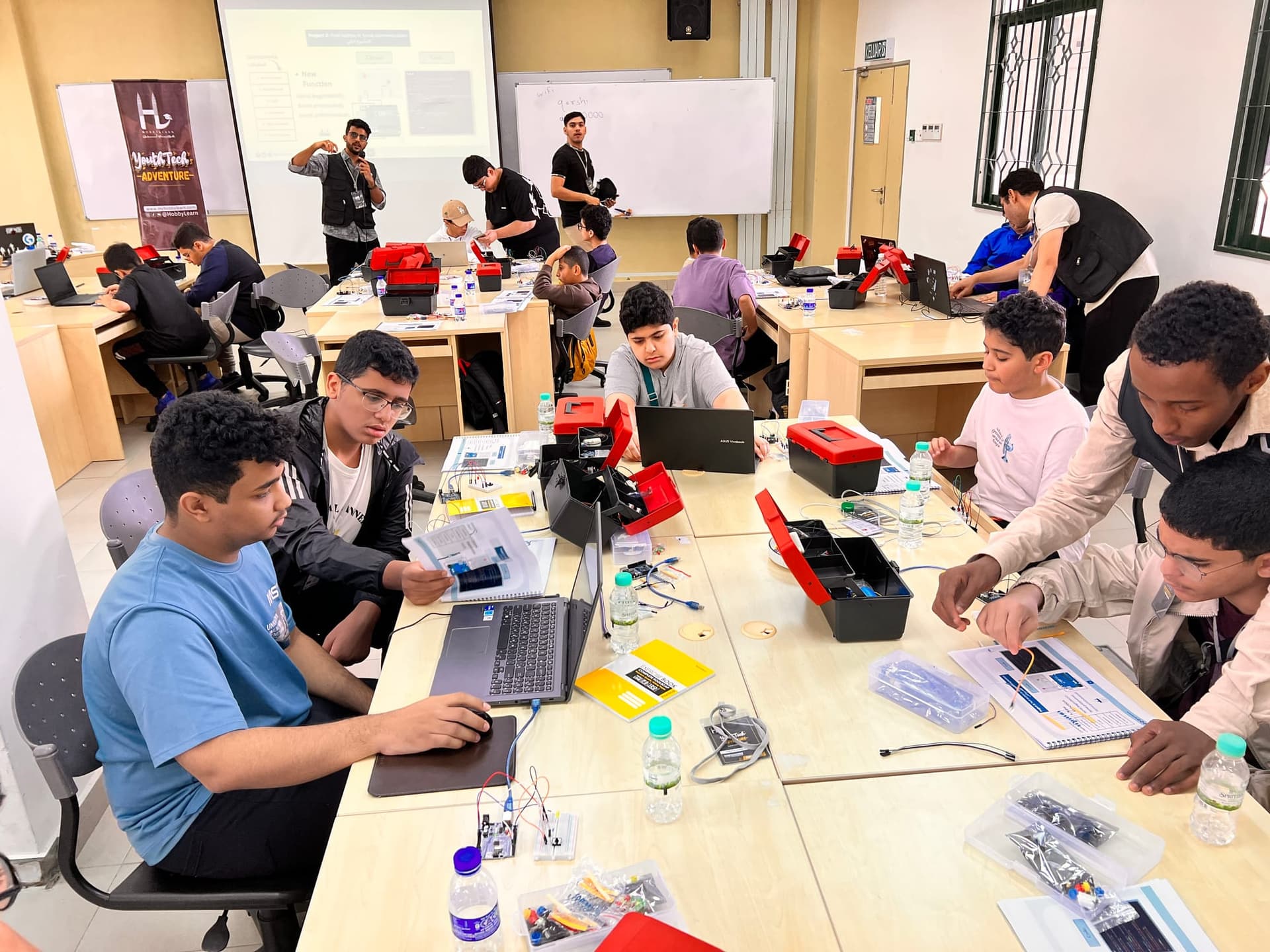
Many teachers and parents ask: is a school trip real education, or just an outing? It depends on how it is designed. A good educational trip is built around a clear goal and gives students experiences they cannot have in a classroom.
Learning by doing
When a student wires a circuit by hand, stands in front of rocks formed over millions of years, or walks through a museum that tells a city's history, the lesson stops being a fact to memorize and becomes an experience to remember. Direct experience makes abstract ideas concrete.
Connecting the trip to the curriculum
A trip can be designed around school subjects: robotics workshops that extend science and technology lessons, heritage visits that support history and social studies, and nature fieldwork linked to earth and environmental science. The clearer the link, the greater the benefit.
Independence and responsibility
Away from home, students learn to manage their time and belongings, keep to schedules and make small decisions for themselves, within a safe framework supervised by their teachers. These skills stay with them after the trip.
Teamwork and leadership
Group projects and outdoor activities put students in situations that need cooperation, shared roles and communication. Teachers often discover leadership qualities on a trip that never showed in class.
New cultures and languages
Meeting a different community, tasting its food and using a foreign language in real situations broadens a student's horizons and builds confidence in talking to others, while keeping their own identity and values.
A first look at future study and careers
Visiting a university, a lab or a specialist institution helps students picture their future, and can be the first step towards choosing a subject that suits them.
How a school gets the most out of a trip
Set the learning goal before choosing the destination. Give students tasks before departure, such as researching the places they will visit. Ask them to keep a journal during the trip and to present what they learned when they return. That way the trip becomes part of the school year, not an event apart from it.
Start from the goal
At HobbyLearn every trip starts from one question: what does your school want its students to learn? Browse programs by learning goal, or describe your own trip and send a free quotation request.
Next step
Plan a trip like this one
Start planning and we'll shape the program around your group.
Free to ask · No commitment · A request is an inquiry, not a booking